Buying & Restoring a Historic Victorian in Old Town Eureka
Few homes offer the sense of place found in a historic Victorian. In Eureka’s Old Town, ornate woodwork, tall windows, distinctive rooflines, and handcrafted architectural details can make a home feel less like a modern purchase and more like an opportunity to become the next steward of a piece of local history.
For buyers exploring Victorian homes in Eureka, CA, that character can be a significant part of the appeal. It can also make the buying process more nuanced. Understanding a property's architectural history, physical condition, preservation status, zoning, and potential renovation requirements is essential before making an offer.
For buyers considering Old Town Eureka real estate, Sarah Corliss of Forbes & Associates can help bring those considerations into the broader context of a real estate transaction.
Recognizing Eureka's Victorian Architectural Styles
Eureka's historic housing stock includes a range of architectural influences, but two styles frequently encountered by buyers are Queen Anne and Craftsman.
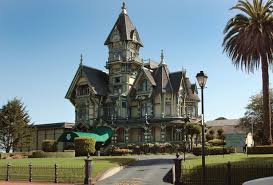
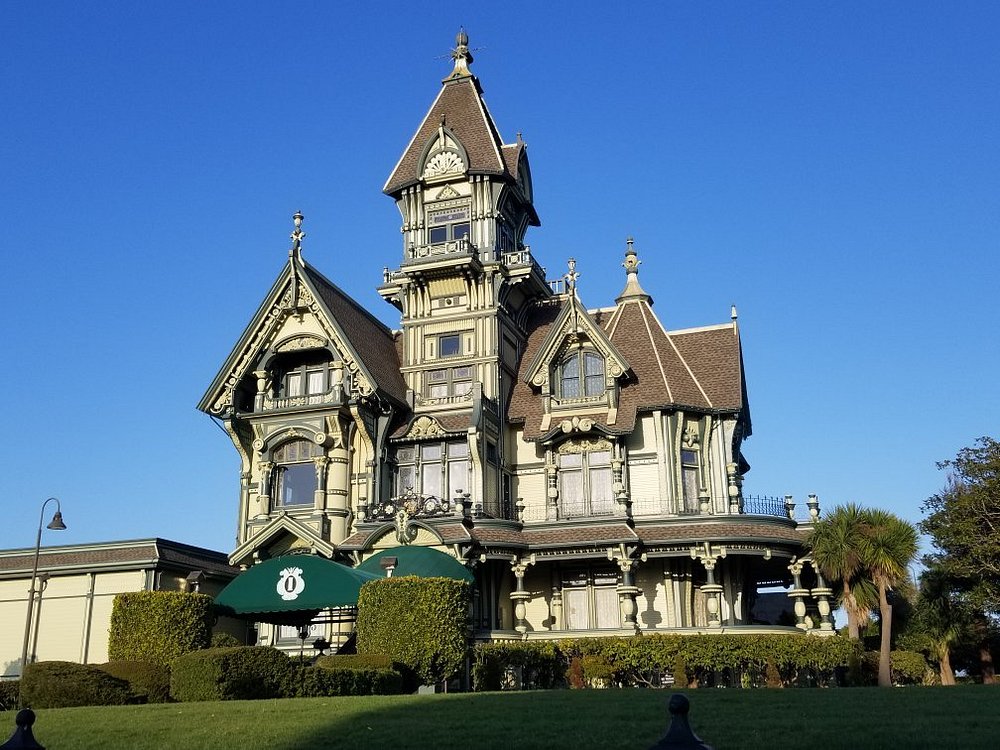
Queen Anne homes are often recognized by their elaborate exterior detailing. Asymmetrical façades, varied rooflines, decorative shingles, turned or carved woodwork, bay windows, porches, and contrasting textures are common characteristics. In Eureka, where Victorian-era architecture remains an important part of the city's identity, these details can be among a property's most distinctive features.
Craftsman homes represent a later architectural movement. They tend to emphasize substantial proportions, exposed structural elements, broad porches, lower-pitched roofs, natural materials, and a more restrained decorative vocabulary. While Craftsman architecture is distinct from the elaborate ornamentation associated with Queen Anne homes, both can offer the craftsmanship and material character that attract buyers to historic properties.
The architectural style is more than a matter of appearance. Original windows, siding, trim, millwork, doors, fireplaces, and other features may contribute to a property's historic character. Identifying which elements are original—and which were added or altered later—can help a buyer understand what makes a particular property significant.
Condition and Preservation
A beautifully preserved façade does not necessarily tell the entire story of a historic home.
Buyers should consider the condition of the foundation, roof, siding, windows, electrical and plumbing systems, drainage, and other major components. In a region where seismic considerations are part of responsible property ownership, evaluating structural and seismic improvements should also be an important part of due diligence.
That does not mean every historic property requires the same upgrades. Instead, buyers should understand what work has already been completed, what may still be appropriate, and whether proposed improvements could involve additional review.
Preservation can also affect how renovations are approached. Eureka's historic preservation regulations are intended to conserve significant architectural and cultural resources while allowing appropriate maintenance, rehabilitation, and compatible changes. The City's code specifically references the Secretary of the Interior's Standards for Preservation, Rehabilitation, Restoration, and Reconstruction.
For a buyer, that can make the renovation process more deliberate—but it can also provide a framework for protecting the architectural qualities that attracted you to the property in the first place.
Understanding Historic Designation Before You Renovate
Not every older house is subject to the same preservation requirements.
Eureka distinguishes between designated properties, properties within preservation districts, contributing buildings, and other potentially eligible historic resources. The City's code defines a historical resource in part by reference to properties over 50 years old that are listed or potentially eligible for the Local Register or are contributing resources within a district.
If a property is designated or located within a preservation district, exterior alterations may require review. Depending on the property and proposed project, the Historic Preservation Commission or another City review body may become part of the process.
That makes zoning and preservation research an important part of evaluating a historic home—not something to investigate only after purchasing.
The City of Eureka maintains planning resources, zoning information, historic property documentation, and preservation materials that buyers and their advisors can use when researching a property.
The Value of Location in Old Town
Architecture is only part of the appeal of Old Town Eureka.
The Old Town Historic District sits along Humboldt Bay and contains a concentration of historic commercial and residential architecture. Its streets connect residents with restaurants, shops, galleries, cultural destinations, and the waterfront. The district itself encompasses a substantial collection of historic buildings dating from the nineteenth and early twentieth centuries.
The Eureka waterfront and boardwalk are particularly close to Old Town, providing access to Humboldt Bay and the broader waterfront trail system. The location can make it possible to incorporate a waterfront walk or a visit to Old Town businesses into an ordinary day without treating them as a special excursion.
The seasonal Old Town Farmers' Market is another example of the community amenities found within the district, bringing local vendors into the historic downtown environment. Old Town Farmers' Market
For buyers who appreciate architecture, local businesses, and proximity to established civic and cultural destinations, these characteristics can be an important part of evaluating the property as a whole.
Long-Term Stewardship of a Historic Home
Purchasing a Victorian is different from purchasing a newly constructed home. The goal is not necessarily to make every element look new. Instead, successful restoration often means understanding what is worth preserving, what can be improved, and how modern functionality can coexist with historic character.
There may also be financial considerations associated with historic properties. Eureka participates in the Mills Act program, which can provide property-tax benefits to owners of qualifying historic properties in exchange for an agreement requiring ongoing maintenance and improvement. Eligibility is specific, including individual listing on the City's Local Register of Historic Places.
These details make professional due diligence especially valuable.
Buying Historic Property With a Clearer Picture
A historic Victorian can be a remarkable home, but its value is found in more than its appearance. Architecture, condition, location, preservation status, zoning, renovation potential, and long-term maintenance all belong in the conversation.
For buyers exploring Victorian homes in Eureka, CA, Sarah Corliss of Forbes & Associates offers local real estate guidance while helping clients understand the property-specific considerations that can accompany historic homes. Forbes & Associates - Sarah Corliss
The City of Eureka's preservation framework is designed to protect historic resources while allowing them to remain active parts of the community. For the right buyer, that creates an opportunity to restore a distinctive home while preserving the architectural details that give Old Town its enduring character.
If you're considering Old Town Eureka real estate, start by looking beyond the listing photographs. Understand the property's history, investigate its preservation and zoning status, evaluate its physical condition, and develop a clear picture of what restoration may involve. With the right information before you buy, owning a historic Victorian can become not simply a real estate transaction, but a carefully considered investment in a remarkable piece of Eureka's architectural legacy.
Label